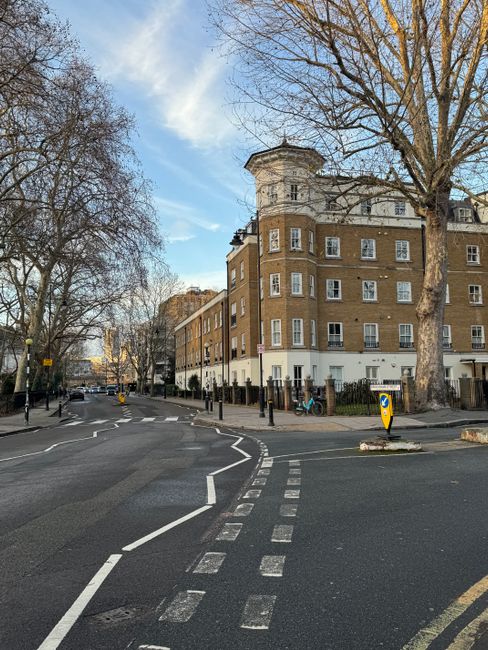
Talbot Road to Brook Green quick removals route guide
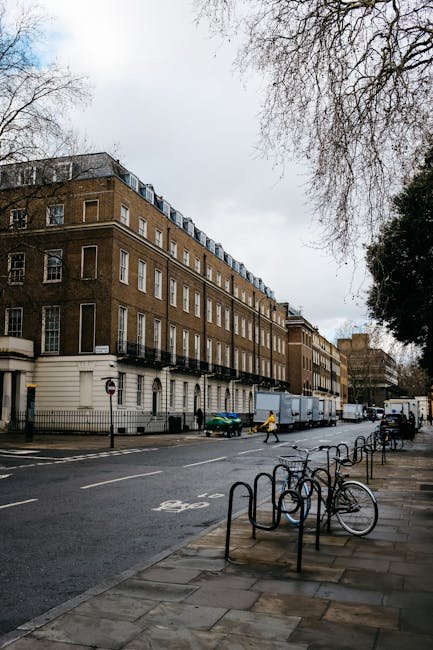
If you are planning a move from Talbot Road to Brook Green, the route itself can make the whole day feel smooth or, frankly, like a bit of a faff. A good Talbot Road to Brook Green quick removals route guide is not just about the shortest road on a map. It is about timing, loading access, parking reality, traffic pinch points, and how to keep the move calm when the van is full and everyone is watching the clock. This guide breaks the process down in plain English so you can plan better, avoid unnecessary delays, and choose the right removal setup for your move.
Whether you are shifting a flat, moving a few bulky items, or doing a full house relocation, the details matter. A route that looks simple at 9 a.m. can feel very different by school run time or late afternoon. Let's make it practical.
Why Talbot Road to Brook Green quick removals route guide Matters
At first glance, Talbot Road to Brook Green is a local move across west London, so you might think route planning is straightforward. In reality, removals are rarely just about distance. They are about how quickly a van can get in, load, leave, and arrive without unnecessary stress. A route guide helps you think beyond the road names and into the details that actually decide whether the job feels efficient.
Brook Green has the kind of residential layout that rewards good planning. Side streets, parked cars, loading gaps, and one-way sections can all affect how long the move takes. On Talbot Road, the same is true in the other direction. A van that has to circle for parking or wait for a gap to unload is a van that is wasting time, and time is the thing removals jobs are always quietly losing.
Truth be told, most moving delays come from small things: a sofa that was left assembled, a lift that is too small, a parking bay not checked in advance, or a route chosen without thinking about traffic. If your move involves anything bulky, awkward, fragile, or time-sensitive, route planning is not optional. It is one of the easiest ways to reduce stress.
For local moving support, many people compare broader service types first, then narrow down the practical fit. If you are still weighing up options, the pages for man and van, flat removals, and house removals are useful starting points because they frame the level of help you may need.
How Talbot Road to Brook Green quick removals route guide Works
A quick removals route guide works by combining local geography with moving logistics. In simple terms, it answers four questions: Can the van get there easily? Where can it stop? How long will loading take? What might slow the trip down?
The route between Talbot Road and Brook Green is not usually about finding a dramatic shortcut. More often, it is about selecting the least disruptive path at the time of day you are travelling. Morning collections and early afternoon deliveries often run differently from late-day moves, when traffic can thicken and parking spaces disappear like someone has flicked a switch.
A removal team will usually think in layers:
- Access layer: can the vehicle safely reach the property?
- Loading layer: is there enough space to move items out without bottlenecks?
- Route layer: which roads are likely to be the least blocked?
- Arrival layer: can the unload be completed without waiting around?
That is why a quick route guide is more useful than a simple directions app. Maps can show the road. They do not always show the real-world moving conditions. A narrow street can look harmless online and then become awkward when a van is nose-to-tail with parked cars and a neighbour is trying to get out for the school run.
If your move is time-sensitive, combining route planning with a same-day removals option can be sensible. For larger or more involved moves, some people also explore moving truck and removal van options to match vehicle size to access conditions.
Key Benefits and Practical Advantages
The real value of a good route guide shows up in small, practical wins. None of them sound exciting on their own, but together they make the move far easier.
- Less waiting time: if the van can stop close to the property, loading is faster and easier on everyone.
- Lower risk of damage: shorter carrying distances mean fewer chances to knock walls, scuff furniture, or strain a back.
- Better scheduling: knowing where delays may happen helps you book realistic arrival and handover times.
- Reduced stress: you are not improvising under pressure. That matters more than people think.
- Cleaner handovers: if you need to leave one property by a deadline, a smoother route helps protect the whole timetable.
There is also a money angle. Even if a move is quoted as a flat fee, delays can still create knock-on costs, especially if extra labour time or parking complications appear. If your move involves variable pricing or a tailored quote, it is worth reading the guidance on pricing and quotes before you book. A clear quote is one thing; understanding what slows the job down is another.
Another practical advantage is decision clarity. Once you know the route constraints, you can decide whether you need packing help, an extra pair of hands, or a bigger vehicle. That decision often saves far more time than trying to "make do" on the day.
Who This Is For and When It Makes Sense
This route guide is useful for anyone moving between Talbot Road and Brook Green, but it especially helps if your move has any of these features:
- limited parking outside either address
- top-floor flats or buildings with tight stairwells
- large items such as wardrobes, beds, sofas, or office furniture
- a fixed move-out deadline
- school-run, commuter, or business-hour timing pressure
- multiple stops, such as storage or furniture pickup
It also makes sense for people moving with children, older relatives, or pets in tow. A move that looks simple on paper can become quite chaotic once you are juggling keys, boxes, bins, and someone asking where the kettle is. Been there, seen it. You want as few variables as possible.
For smaller jobs, such as single-room moves or just a few items, a man with a van arrangement may be enough. For larger family moves, home moves or full removals services are often the better fit. If you are moving into rented accommodation or out of a compact property, student removals can also be surprisingly relevant, even for non-student households with light loads and awkward access.
Step-by-Step Guidance
If you want the move to run smoothly, follow a sequence rather than trying to solve everything on the morning itself. That approach sounds obvious, but it is amazing how often it gets skipped.
1. Check both addresses first
Start with the start point and the destination. Look at entrance width, stair access, lift size, and whether the van can stop nearby without blocking traffic. If either side is tight, plan to carry items in shorter loads and allow a bit more time.
2. Match the vehicle to the move
Not every job needs the biggest van available. A smaller vehicle can sometimes be faster in Brook Green if access is tricky and parking is tight. On the other hand, if you are moving several rooms of furniture, a larger vehicle may save repeated trips. The right answer depends on load size, not guesswork.
3. Pack by priority, not by whatever fits
Load the essentials so they come off first: kettle, bedding, documents, phone chargers, cleaning items, and a small tool kit. Then place fragile or high-value items where they are protected, not just where they fit. If you want help tightening up packing, the guide on packing and boxes is a sensible companion read.
4. Decide the route window
Pick a departure window that avoids predictable congestion where possible. You do not need perfect conditions. You do need a sensible one. Early starts often help, but only if everyone and everything is ready. No point starting early if the boxes are still half-packed at 7:30.
5. Prepare for loading and unloading
Have the route from room to van clear. Doors open. Hallways unobstructed. Lift reserved if needed. Small things, yes, but these are the things that save minutes which turn into a full delay if ignored.
6. Keep an overflow plan
If items do not fit as expected, know where the backup storage or second-load plan sits. Some people use storage for this reason, especially during staggered moves or renovation periods.
7. Confirm the final handover timing
At the end of the move, make sure you know who is receiving keys, what needs to be left where, and whether any rubbish or packaging should be removed. A neat finish matters. It just does.
Expert Tips for Better Results
In our experience, the moves that go best are rarely the most glamorous. They are the ones with decent preparation and one or two smart decisions taken early.
Tip 1: Use the smallest practical carrying distance. If you can reduce the walk from door to van, do it. Even five extra metres per item adds up fast when the weather is wet or the load is awkward.
Tip 2: Do the awkward items first. The bed frame that needs unscrewing, the wardrobe with the mirrored door, the heavy dining table - tackle those before everyone gets tired. That one change can make the whole day feel less messy.
Tip 3: Keep one bag of "do not lose this" items with you. Documents, medication, chargers, snacks, labels, and basic tools should not disappear into a box mountain. You will be glad of that bag at 8 p.m. when the coffee maker is still somewhere under a duvet cover.
Tip 4: Ask about access, not just distance. A short move can still be difficult if one address has awkward stair turns or limited stopping space. Distance is not the real issue; access is.
Tip 5: Use a service that fits the item profile. For single heavy items such as a sofa or piano, the right specialist matters. For example, furniture removals and piano removals exist because some loads need more than brute force and optimism.
Tip 6: Keep a clean route inside the property. A hallway with shoes, plant pots, loose cables, and bags of laundry turns a ten-minute load into a half-hour shuffle. It is one of those tiny things that sounds silly until it happens.
Expert summary: The quickest removals route is not always the shortest road route. It is the route that combines sensible timing, workable access, the right vehicle, and a load plan that avoids re-handling items twice.
Common Mistakes to Avoid
Some mistakes are predictable, which is good news because that means you can dodge them. Here are the ones that show up again and again.
- Assuming the map tells the whole story: it never does. Parking, width restrictions, and loading space can change everything.
- Underestimating packing time: packing always takes longer than you think. Always.
- Forgetting access constraints: a lift may be small, or a staircase may force furniture to be dismantled.
- Booking the wrong vehicle size: too small creates extra trips; too large can make street manoeuvring harder.
- Not checking route timing: a route that works mid-morning may crawl later in the day.
- Leaving loose items until the end: loose lamps, cables, and random bits slow everything down.
Another common issue is not reading the moving company's own conditions carefully. If you are comparing providers, make sure you understand service limits, cancellations, timing expectations, and damage handling. The terms and conditions and insurance and safety pages are worth checking before you commit.
And a small one, but important: do not leave the kettle or tea mugs buried in a random box. You will regret it around mid-afternoon. That part is almost a law of moving day.
Tools, Resources and Recommendations
You do not need a complicated setup to plan a good removals route, but a few simple tools help a lot.
| Tool or resource | What it helps with | Best used when |
|---|---|---|
| Floor plan or room sketch | Helps size up furniture, doors, and carrying paths | Before booking or packing |
| Box labels and marker pens | Makes loading and unpacking quicker | During packing week |
| Measuring tape | Checks if bulky items will fit through doorways or lifts | Before dismantling furniture |
| Parking and access notes | Reduces last-minute confusion on arrival | When confirming the route |
| Blanket wrap or protective covers | Protects furniture from knocks and dirt | For sofas, tables, and wood finishes |
For practical moving prep, the following pages can help fill gaps without overcomplicating things: packing and unpacking services if you want more hands-on help, furniture pick up for individual items, and removal services if you want to compare broader support options.
If your move includes items you no longer want, the recycling angle matters too. Avoid dumping usable furniture or leaving waste to sort out later. A sensible cleanup plan can save time and reduce stress. The page on recycling and sustainability gives a helpful sense of the company's approach.
Law, Compliance, Standards, or Best Practice
For local removals, compliance usually comes down to practical duty of care rather than anything dramatic. You want the move to be safe, lawful, and considerate to neighbours and road users.
In London, parking and loading arrangements can be sensitive. Depending on the street and timing, you may need to think about bay restrictions, permit zones, or whether the van can stop safely without causing obstruction. Local councils set their own rules, so it is sensible to check before moving day rather than assuming you will "manage somehow".
Best practice also includes:
- ensuring the team uses safe lifting methods
- protecting floors, corners, and door frames where appropriate
- securing items properly in transit
- keeping walkways clear during loading
- handling waste and packing materials responsibly
If you have concerns about safe handling, the company's health and safety policy and complaints procedure can be useful indicators of how issues are handled. That matters more than people realise. A professional move is not just about speed; it is about doing the job carefully and predictably.
For business customers, especially those moving between home and office addresses, the expectations are similar but the stakes can be higher because keys, equipment, and deadlines all stack up. If that sounds familiar, the pages on commercial moves and office removals are worth a look.
Options, Methods, or Comparison Table
Choosing the right moving method is often the key decision. Here is a simple comparison to help you match the service to the move.
| Option | Best for | Strengths | Watch-outs |
|---|---|---|---|
| Man and van | Small to medium local moves | Flexible, often quick to arrange, good for access-sensitive jobs | May need multiple trips for larger loads |
| Flat removals | Apartment moves and compact properties | Good fit for stairs, lifts, and tighter loading windows | May need careful timing if parking is tight |
| House removals | Full household moves | Better for larger loads and more organised planning | Requires more preparation and lead time |
| Same-day removals | Urgent or last-minute moves | Fast response, good when plans change suddenly | Availability can be limited and timing is tighter |
| Storage + removals | Staged moves, decluttering, or renovations | Gives breathing room if the new place is not ready | Needs a clear plan for what goes where |
If you are unsure which option fits your move, start with access and load size. That usually tells you more than the property type alone. A small flat with difficult stairs may need more care than a larger house with a wide drive. Funny how that works.
Case Study or Real-World Example
Here is a realistic example. Imagine someone moving from a compact Talbot Road flat to a Brook Green property with a narrow street and limited stopping space. The load includes a bed, two wardrobes, boxed kitchenware, a sofa, and a desk. Nothing unusual. But the timing is the difference between an easy morning and a long one.
Instead of trying to cram everything into a late-afternoon slot, the move is planned for earlier in the day. The boxes are labelled by room. The wardrobes are partly dismantled the night before. The van arrives with a clear path from front door to vehicle. One person stays with the keys and paperwork while the other manages the load list. Simple, really.
What makes the move go well is not magic. It is the combination of:
- choosing the right vehicle size
- using a sensible route window
- preparing access on both sides
- keeping the essential items separate
- avoiding unnecessary re-handling
Now imagine the same move without that planning. Boxes still being taped when the van arrives. A wardrobe too wide for the corridor. No parking space. A bottle of cleaning spray in the wrong box. The whole day suddenly feels longer than it should. That is the difference a route guide makes.
For moves like this, local services such as house removalists or broader removal companies can be worth comparing, especially if you want a team that understands west London access issues rather than treating every move the same.
Practical Checklist
Use this checklist the day before and again on the morning of the move. It is basic, yes, but basic is often what saves the day.
- Confirm both addresses and the move time
- Check parking or loading space at both ends
- Measure large furniture and doorways
- Pack an essentials bag for the first night
- Label boxes by room and priority
- Protect fragile items with proper wrapping
- Dismantle bulky furniture if needed
- Keep keys, documents, and chargers separate
- Clear hallways, stairs, and entrances
- Have contact details ready for everyone involved
- Set aside cleaning materials and bin bags
- Plan for storage if not everything is going straight in
Quick reassurance: if your checklist is not perfect, that is normal. The goal is not a flawless move. The goal is a move that does not spiral into chaos.
Conclusion
A good Talbot Road to Brook Green quick removals route guide is really a guide to making smart decisions before the van ever moves. Route choice matters, but access, timing, packing, vehicle size, and compliance matter too. When those pieces line up, the move feels faster, safer, and far less draining.
If you are planning a move soon, start with the practical details now: check the route window, confirm the access at both addresses, and choose the service level that actually fits the job. The calmest moves are usually the ones that were thought through properly the day before.
Get a free quote today and see how much you can save.
And if all else fails, label the tea box clearly. Honestly, that one small thing can save a whole lot of morning grumbling.
Frequently Asked Questions
What is a Talbot Road to Brook Green quick removals route guide?
It is a practical planning guide for moving items between Talbot Road and Brook Green quickly and safely. It covers access, timing, loading, parking, and the kind of details that make a local move smoother.
Is the quickest route always the best route for removals?
Not always. The shortest route on a map may have worse parking, more congestion, or tighter access. The best route is the one that lets the van load and unload with the least delay.
How early should I plan a move between Talbot Road and Brook Green?
Ideally, start planning several days ahead, even for a small move. That gives you time to check access, pack properly, and avoid last-minute problems with parking or vehicle choice.
Do I need a man and van or a full removals service?
It depends on load size and access. A man and van can suit smaller, local jobs, while larger house moves usually benefit from a fuller removals setup with more hands and a bigger vehicle.
What if Brook Green access is tight?
If access is tight, choose a service and vehicle that can handle narrower streets and shorter carrying distances. It often helps to use a smaller vehicle and allow more time for loading.
Can same-day removals work for this route?
Yes, in some cases. Same-day removals can work well for urgent local moves, but availability and timing are more limited, so it is best to check early if you need fast help.
How can I reduce the chance of delays on moving day?
Pack early, measure large items, clear pathways, and confirm parking or loading space before the van arrives. Delays often come from small, avoidable things rather than big problems.
Are there compliance issues I should think about in west London?
Yes. Parking restrictions, loading permissions, and safe access all matter. It is sensible to check local conditions in advance and follow safe moving practices throughout the job.
What should I do with furniture I do not want to keep?
Separate unwanted items before moving day and decide whether they can be reused, recycled, or stored temporarily. It is much easier than dealing with them mid-move.
Is packing service worth it for a local move?
It can be, especially if you are short on time or moving fragile, awkward, or high-value items. Packing help is often most useful when the move is quick but the contents are not simple.
How do I choose the right van size?
Think about the number of rooms, bulky furniture, and whether access is tight. Bigger is not always better if street access is restricted; the right fit is the one that matches your load and the route.
What should I check before booking a removal company?
Look at pricing clarity, insurance, safety standards, and the company's terms. If you want confidence on the practical side, pages such as pricing, insurance, and health and safety are worth reviewing before you confirm anything.