Parking and loading restrictions Brook Green removals compliance: a practical guide for smoother moves
If you are planning a move in Brook Green, the parking space outside the property can matter just as much as the boxes inside it. Parking and loading restrictions Brook Green removals compliance is really about getting the move done legally, safely, and without the kind of delay that turns a calm morning into a stressful one. One missed sign, one blocked bay, or one poorly timed arrival can add hassle very quickly. And yes, that is usually when everyone starts glancing at the clock.
This guide breaks down what compliance means in real-world moving terms, how loading restrictions affect removals vehicles, what to check before moving day, and how to avoid the common mistakes that lead to fines, complaints, or wasted time. You will also find a step-by-step process, a practical checklist, and a simple comparison of the most common loading approaches. If you want a broader look at moving support, you may also find removal services, man and van, or home moves useful while planning.
Expert summary: the best removals in Brook Green are rarely the fastest ones on paper; they are the ones that plan the kerbside properly, keep the vehicle where it should be, load efficiently, and leave enough margin for local traffic, shared access, and building rules.
Table of Contents
- Why parking and loading compliance matters
- How it works in practice
- Key benefits and practical advantages
- Who needs this and when it makes sense
- Step-by-step guidance
- Expert tips for better results
- Common mistakes to avoid
- Tools, resources and recommendations
- Law, compliance, standards, or best practice
- Options, methods, or comparison table
- Case study or real-world example
- Practical checklist
- Conclusion
- Frequently asked questions
Why Parking and loading restrictions Brook Green removals compliance Matters
Brook Green is a busy part of West London with narrow streets, mixed housing stock, resident parking pressures, and the kind of day-to-day traffic that can make a simple stop feel complicated. For removals, that matters because the vehicle is not just arriving; it needs somewhere lawful and workable to stand while items are carried in and out. That is the core of compliance.
In practical terms, this means checking whether a van can park, whether loading is allowed at the time you need, whether a bay is suspended, and whether the property access allows safe movement of furniture without blocking others. It sounds basic, but small oversights here often create the biggest delays. A sofa arriving late because the vehicle had to circle the block three times is a classic example. Not glamorous. Very real.
There is also a trust angle. A removals team that plans parking and loading properly usually plans the whole move properly. That includes vehicle sizing, crew numbers, route planning, building access, protection for floors and doors, and the timing of the loading window. If you are comparing moving support, you might also look at house removals, flat removals, or office removals depending on the type of property involved.
To be fair, many moving problems are not caused by lifting. They are caused by waiting. Waiting for a bay to open, waiting for a lift, waiting for the driver to find legal access, waiting while neighbours understandably get annoyed. Compliance helps reduce all of that.
How Parking and loading restrictions Brook Green removals compliance Works
Compliance here is less about one dramatic rule and more about a chain of small checks that all need to line up. The removals vehicle must be able to stop legally, load efficiently, and leave without creating a blockage or breaching local restrictions. In a place like Brook Green, that usually means planning around permit bays, single yellow lines, double yellow lines, loading-only areas, time-limited parking, and building-specific access rules.
A sensible removals plan usually starts with the property type. A top-floor flat with no lift is very different from a ground-floor house with a driveway or a commercial unit with a back entrance. If your move involves limited access, it may be worth reviewing packing and unpacking services or packing and boxes so the loading phase is quicker and cleaner. Less standing around. Less chance of getting in the way.
Next comes the vehicle choice. A compact removal van may fit more easily into a tight kerbside space than a larger moving truck. On the other hand, if there is a lot to move, one larger vehicle with a well-planned loading route can be more efficient than several smaller trips. You can also compare removal van and moving truck options depending on the volume and access.
Finally, there is timing. A loading bay might be available early but busy later, or a street may be easier to access before school run traffic builds up. That is the sort of detail that makes a surprisingly big difference. In our experience, the best moves often happen in that quiet early window when the street is still waking up and you can hear the occasional wheelie bin rattling rather than a queue of honking cars.
What "loading" actually means in moving terms
Loading is the temporary movement of goods into or out of a vehicle. It is not the same as casual parking. The distinction matters because some places allow loading for a short time while actively handling goods, but do not permit parking while you wait, chat, or sort paperwork. If the van is idle for too long, a loading stop can stop looking like loading very quickly.
That is why good removals teams keep the workflow tight. Items are staged, wrapped, and ready. Walkways are clear. The crew knows what goes first. It is organised, but not rigid. Just efficient enough to avoid awkward gaps.
Key Benefits and Practical Advantages
Good parking and loading compliance is not just about avoiding trouble. It improves the whole moving day experience. Here are the most useful benefits from a customer point of view.
- Fewer delays: a vehicle that can stop legally near the entrance saves time and energy.
- Lower risk of penalties: avoiding unnecessary parking issues protects the move budget.
- Safer handling: shorter carrying distances reduce the chance of knocks, slips, and damage.
- Less neighbour conflict: nobody enjoys a blocked driveway or a van half-on the kerb at rush hour.
- Cleaner scheduling: the team can keep to the plan instead of improvising on the pavement.
- Better protection for items: faster, more direct loading helps with fragile or bulky furniture.
There is also a quieter advantage: peace of mind. If you already have enough on your plate, the last thing you want is to stand at the window worrying whether the van is in the right place. It is one less thing to carry, and frankly moving day is already heavy enough.
For some customers, especially those with larger or more delicate items, compliance and access planning matter even more. If that sounds like your situation, furniture removals and piano removals are good examples of services where kerbside planning and careful loading are essential rather than optional.
Who This Is For and When It Makes Sense
Almost anyone moving in Brook Green can benefit from proper parking and loading planning, but some people need it more than others.
- Households moving from terraces or converted flats where frontage is tight and access is shared.
- Tenants in apartment buildings where lifts, concierge rules, or service entrances affect the loading route.
- Office teams relocating locally who need to keep disruption low and access controlled; commercial moves often depend on precise timing.
- Students moving with limited items but limited patience too, which is fair enough; student removals often need speed and flexibility.
- People using same-day support where there is less room for error, especially if access is tight; same-day removals benefit from careful parking decisions from the start.
- Anyone with storage in the plan who may be moving in stages and therefore needs repeatable loading access; storage can add another layer of logistics.
It also makes sense if your street is regularly busy, if you have no private driveway, or if the property is on a road where parking enforcement is active. That last one is worth saying plainly. If the area is already tight, assume the loading plan matters. That assumption usually saves trouble.
Step-by-Step Guidance
Here is a simple, realistic way to approach removals compliance in Brook Green without overcomplicating it.
- Check the property access first. Look at the entrance, staircase, lift, pavement width, and any obstacles such as railings, shared gates, or a narrow hallway.
- Review parking and stopping options. Think about whether the van can stop close enough to the door for practical loading. Do not just assume it will be fine on the day.
- Match the vehicle to the street. A smaller van may be easier to place, while a larger vehicle may reduce total trips. The right choice depends on both volume and access.
- Prepare the items before arrival. Label boxes, dismantle furniture where sensible, and keep essentials separate. The faster the crew can load, the less time the vehicle needs kerbside.
- Build in time for the unexpected. A delivery truck, roadworks, or a blocked space can appear out of nowhere. It happens.
- Protect the route in and out. Floor coverings, door guards, and clear hallways help keep the move smooth and safe.
- Confirm final timing with the removals team. Arrival time, access instructions, and any building restrictions should be checked again close to the move.
- Keep a backup plan. If the nearest bay is occupied, identify an alternative stop point or a short carrying route that still respects restrictions.
A useful habit is to treat the loading point as part of the move, not an afterthought. Once you do that, everything else gets easier. Slightly boring, yes. Very effective, also yes.
Mini planning example
Imagine a two-bedroom flat move from Brook Green to another part of London. The lift is small, the street is narrow, and the nearest parking bay can only be used at certain times. If the team arrives without a plan, they may lose 20 minutes just finding the right stopping point. If they arrive with a confirmed vehicle size, a clear loading sequence, and packed boxes ready by the door, that same move can feel controlled from the first lift to the last box.
Expert Tips for Better Results
The small details usually decide whether a move feels smooth or slightly chaotic. Here are the tips that matter most in real life.
- Use smaller boxes for heavy items. It sounds obvious, but overfilled boxes slow the loading line and make carrying awkward.
- Keep the first-load items nearest the exit. Things that are going onto the van first should not be buried behind five layers of shopping bags.
- Measure bulky furniture in advance. A wardrobe that fits the van may still not fit the stairwell. Annoying, but common.
- Think in routes, not rooms. The shortest walking path from property to vehicle is usually the best one, even if it is not the prettiest.
- Be realistic about timing. Brook Green is not the place to improvise for long. A five-minute delay can become a fifteen-minute one quite fast.
- Keep communication simple. One person should coordinate access and loading instructions, otherwise messages get messy.
If you are moving a property with mixed access needs, choosing the right service can matter as much as the parking plan. For smaller, flexible moves, man with van or man with a van can be a practical fit. For larger or more structured jobs, removal companies may offer a broader setup. There is no one-size-fits-all answer here.
One more thing: if the day feels slightly tense, slow the loading down enough to stay organised, but not so much that you are lingering in a restricted spot. That balance is the whole game.
Common Mistakes to Avoid
Most issues with parking and loading restrictions are predictable. That is the frustrating part. The upside is that they are also avoidable.
- Assuming the van can just stop anywhere. Restrictions often apply even for short loading periods.
- Leaving parking planning until the morning of the move. That usually turns a controlled job into a rushed one.
- Choosing a vehicle that is too large for the street. Bigger is not always better when the kerbside space is tight.
- Not preparing the property for fast loading. Loose packaging, blocked hallways, and unlabelled boxes waste precious time.
- Ignoring building rules. Some blocks require access booking, lift protection, or loading dock coordination.
- Underestimating how busy Brook Green can be. On a good day it feels manageable. On a less good day, not so much.
There is a small but important mindset shift here: the goal is not merely to "get parked". The goal is to load legally, safely, and without creating avoidable friction. Once you see it that way, the choices get clearer.
Tools, Resources and Recommendations
You do not need a mountain of equipment to handle this well, but a few practical tools help a lot.
- Measuring tape: for doorways, stair turns, furniture depth, and vehicle fit.
- Floor plan or rough sketch: useful for mapping carry routes and furniture placement.
- Labels and marker pens: for box priority, fragility, and room destination.
- Protective wrapping and covers: helpful for furniture, mattresses, and door frames.
- Phone notes: a simple list of access details, contact numbers, and timing reminders can save a lot of faff.
From a service perspective, it helps to work with a team that understands the local moving environment and takes access seriously. Pages like removals, removal services, and removal truck hire can help you think through the scale of vehicle and level of support you need. If the move involves odd-shaped items or a mixture of furniture and small goods, furniture pick up may also be relevant.
Quick recommendation: before move day, write down the exact stop point, the access route, and the loading sequence. That three-part note is simple, but it removes a lot of uncertainty.
Law, Compliance, Standards, or Best Practice
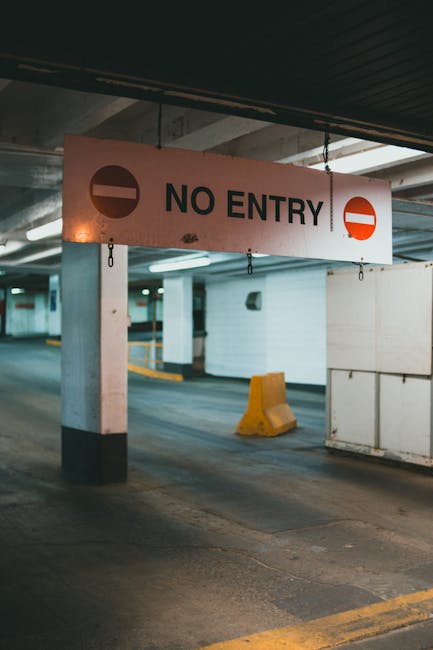
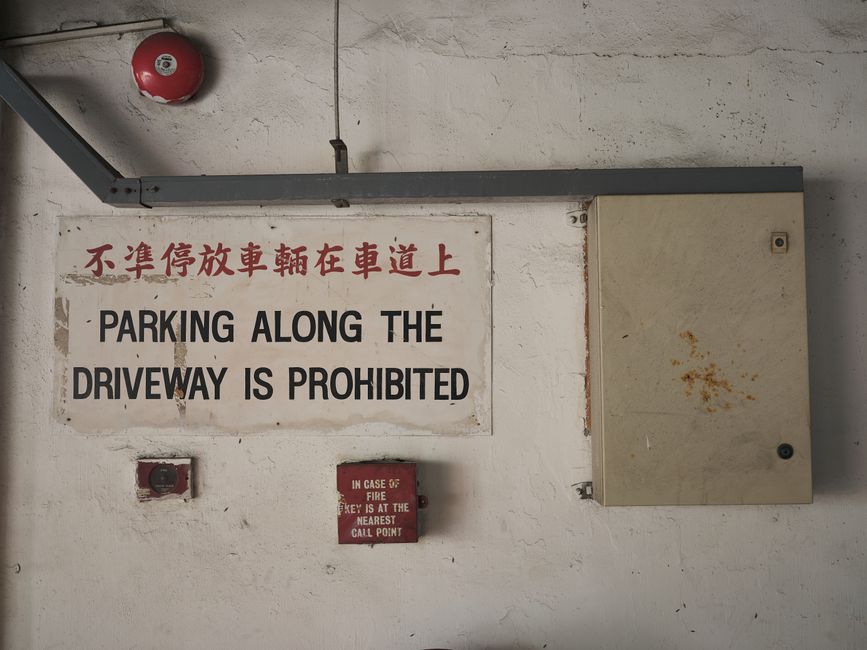
Parking and loading compliance in Brook Green is shaped by local parking controls, road markings, building access rules, and general UK road-use expectations. The exact restrictions can vary street by street, and they can change over time, so it is wise to treat local signage as the final word on the day. If something is marked, signed, or restricted, assume it matters.
For removals, the practical compliance principles are straightforward:
- Do not park where stopping is prohibited.
- Only use loading allowances within the permitted conditions and time limits.
- Keep access clear for pedestrians and neighbours.
- Use vehicles and crew sizes that support safe handling.
- Follow any building, estate, or landlord rules in addition to street restrictions.
Best practice also means keeping communication honest. If a bay is tight, say so early. If a lift is unavailable, plan around it. If an item is too awkward for the first van, factor in extra time or a different vehicle. That kind of candour is not a weakness; it is what keeps the move under control.
You may also want to check service terms and safety information before confirming a booking. Useful support pages include health and safety policy, insurance and safety, terms and conditions, and pricing and quotes. Those pages help set expectations clearly, which is exactly what you want on a moving job.
Options, Methods, or Comparison Table
Different moves need different loading strategies. Here is a simple comparison to help you decide what is likely to work best.
| Approach | Best for | Strengths | Trade-offs |
|---|---|---|---|
| Small van with short loading stop | Light moves, tight streets, quick collections | Easier to place near the property; often simpler in restricted roads | May need more trips if volume is higher |
| Standard removal van | Typical house or flat removals | Balanced capacity and access; usually efficient for local moves | Can still be tricky on narrow streets if parking is tight |
| Larger moving truck | Bulkier moves or fewer, larger loads | Reduces repetition and can simplify loading for sizeable jobs | Harder to position in restricted or narrow Brook Green streets |
| Staged move with storage | Moves split across dates or access-limited properties | Flexible when timing, space, or building access is awkward | Requires extra planning and coordination |
There is no perfect option for every job. The best choice is the one that fits the street, the property, and the amount of furniture you actually have. Sounds simple, but this is where people often overthink the wrong thing. They focus on volume alone and forget about curb access. That is where the plan starts wobbling.
Case Study or Real-World Example
Here is a realistic Brook Green-style scenario. A family is moving from a third-floor flat into a nearby house. The street outside the flat has limited stopping space, the stairwell is narrow, and there is a small window before the road gets busier. The move could easily become stressful.
Instead, the plan is broken down early. Boxes are packed and labelled the day before. The largest furniture is dismantled. The removals team arrives with a vehicle sized for the access route rather than the biggest one available. A spot near the property is identified in advance, and the loading sequence is set: beds, wardrobes, sofas, then boxes, then essentials last. Not fancy. Just sensible.
The result is less standing around, fewer trips up and down the stairs, and a cleaner kerbside flow. The family is not trying to remember which box has the kettle while the van blocks the street. A small thing, maybe. But moving day lives and dies by small things.
In a business setting, the same logic applies. An office relocation with file boxes, chairs, IT gear, and a strict time window can become messy fast if loading access is not properly planned. For that reason, office relocation services are often chosen not just for the transport itself, but for the planning around access, timing, and disruption control.
Practical Checklist
Use this checklist a few days before moving day. It is short, but it catches most of the common issues.
- Confirm the exact property address, entrance, and floor level.
- Check whether any street parking or loading restrictions apply.
- Note any bay markings, permit zones, or time limits nearby.
- Ask whether the building has lift booking rules, loading docks, or access windows.
- Choose the right vehicle size for the road and the load.
- Pack and label boxes so loading can move quickly.
- Disassemble bulky furniture if that will make access easier.
- Protect floors, corners, and door frames.
- Keep a backup stop point in mind in case the first space is unavailable.
- Reconfirm the move time and access instructions on the day before arrival.
Good removals compliance is usually invisible when it is done well. The van arrives, the space works, the loading is clean, and everybody gets on with the day. That is the goal.
Conclusion
Parking and loading restrictions Brook Green removals compliance is not a box-ticking exercise. It is one of the most practical parts of a successful move. When the kerbside plan is right, everything else becomes easier: carrying is shorter, timing is better, stress is lower, and the chances of awkward surprises drop sharply.
Whether you are moving a flat, a family house, an office, or just a few bulky items, it pays to treat parking and loading as part of the job plan rather than a side note. Brook Green can be a straightforward place to move through if you respect the local restrictions and prepare properly. A bit of care at the start saves a lot of rushing later.
If you are comparing options, it can help to look at the fit between your access, vehicle choice, and moving support. Sometimes a smaller van makes the whole thing calmer. Sometimes a more structured removals setup is the better call. The right choice is the one that keeps the day manageable.
Get a free quote today and see how much you can save.
And if you do nothing else, remember this: a well-planned loading point is often the quiet difference between a move that feels like chaos and one that just gets done, properly, and with a bit of breathing room at the end.
Frequently Asked Questions
What does parking and loading compliance mean during a removals job?
It means the vehicle is stopped, parked, or loaded only in ways that follow the relevant restrictions, signs, and property rules. In practice, that includes using the correct stop point, staying within permitted times, and keeping access safe.
Do I need to check Brook Green parking restrictions before moving day?
Yes, absolutely. Even a short move can be affected by local restrictions, permit zones, and limited stopping space. Checking early gives you time to adjust the vehicle choice or the arrival window.
Can a removals van stop on yellow lines for loading?
Sometimes loading may be permitted, but not always, and the exact conditions depend on the signage and location. You should never assume it is allowed. Always treat the local markings as the rulebook for that street.
Is a smaller van better for Brook Green streets?
Not always, but often it helps where roads are narrow or stopping space is tight. A smaller van may be easier to place, while a larger vehicle can be more efficient for bigger loads. It depends on the move.
What happens if the nearest loading space is already taken?
You may need a backup plan, such as an alternative legal stop point or a slightly different loading route. The main thing is not to improvise in a way that creates risk or breaks the restrictions.
How far in advance should I plan parking for a move?
Ideally a few days ahead, and earlier for busy streets or complex buildings. That gives you time to assess access, speak to the removals team, and avoid last-minute confusion.
Are office moves more sensitive to loading restrictions than house moves?
Often, yes. Office moves usually have tighter time windows, more equipment, and less tolerance for disruption. That is why access planning matters so much for office removals and related commercial work.
What should I pack first to make loading quicker?
Pack non-essential items first and keep daily essentials separate. Label boxes clearly, dismantle bulky furniture where possible, and stage everything near the exit so the loading flow stays quick.
Can storage help if my parking situation is awkward?
Yes, it can. If access is split across dates or the property is difficult to load in one go, storage can make the move more flexible and reduce pressure on the loading day.
What is the biggest mistake people make with loading restrictions?
The biggest mistake is leaving parking planning too late. People often focus on boxes and forget the vehicle needs a legal, workable place to stand. That is where delays and avoidable stress start.
Do I need help with packing as well as transport?
If you have a lot to move, fragile items, or a tight schedule, yes, that can make a real difference. Services like packing and unpacking services can speed up loading and keep the move more organised.
How do I know which removals option is right for me?
Think about volume, access, timing, and how much hands-on help you want. A flexible van move may suit a smaller load, while a fuller removals setup may be better for larger or more complex moves. If you are unsure, compare the available options carefully before booking.