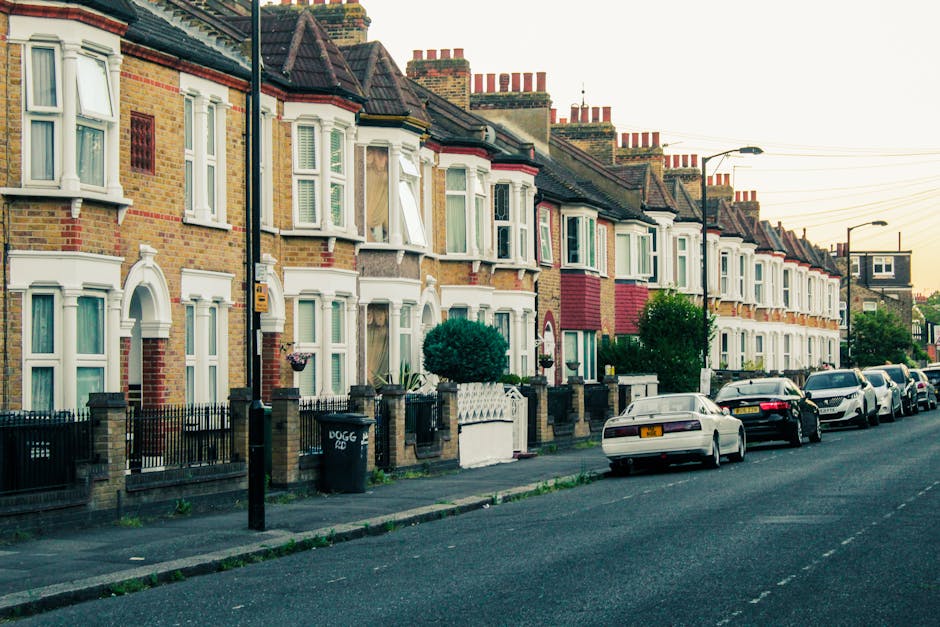
Hammersmith and Fulham Council permit rules for house removals: a practical local guide
If you are planning a move in west London, the Hammersmith and Fulham Council permit rules for house removals can shape the whole day more than you might expect. A short parking stop, a narrow street, a suspended bay, or a busy estate entrance can turn a straightforward move into a stressful one if the vehicle is not allowed to wait where you need it.
This guide explains how removals permits and parking restrictions typically work in Hammersmith and Fulham, why they matter, and what to do before moving day so you are not standing on the pavement at 8 a.m. wondering where the van is meant to go. It also covers common mistakes, sensible planning steps, and the practical points people often forget until the last minute. Truth be told, that last bit is usually where the trouble starts.
For broader moving support, you may also find our pages on house removals, man and van, and flat removals useful while you organise the rest of the move.
Table of Contents
- Why Hammersmith and Fulham Council permit rules for house removals matters
- How Hammersmith and Fulham Council permit rules for house removals works
- Key benefits and practical advantages
- Who this is for and when it makes sense
- Step-by-step guidance
- Expert tips for better results
- Common mistakes to avoid
- Tools, resources and recommendations
- Law, compliance, standards, or best practice
- Options, methods, or comparison table
- Case study or real-world example
- Practical checklist
- Conclusion
- Frequently Asked Questions
Why Hammersmith and Fulham Council permit rules for house removals Matters
House removals are rarely just about lifting boxes. In a place like Hammersmith and Fulham, the parking side of the move can be the real organising challenge. A removals van may need space close to the property, sometimes on a red route, a controlled parking zone street, or beside a bay that is already in use. If that access is not planned, the crew may have to park further away, carry items longer, or wait while someone else moves a car.
That matters for a few reasons. First, time. A move that should take half a day can easily stretch if the vehicle cannot stop near the front door. Second, cost. Extra waiting, extra labour, or a second trip all tend to add pressure. And third, safety. Heavy furniture carried from the wrong place, across traffic or up awkward steps, is not ideal for anyone. Let's face it, nobody wants a wardrobe balanced on a narrow pavement while a bus inches by.
There is also the neighbour factor. In busy London streets, people notice when a van blocks access or leaves the engine running too long. Good planning keeps everyone calmer. It is the difference between a move that feels organised and one that feels like a scramble.
Practical takeaway: a removals permit is not just a box-ticking exercise. It is part of the access plan for the move, and in Hammersmith and Fulham that planning can make the whole day smoother, safer, and less expensive.
How Hammersmith and Fulham Council permit rules for house removals Works
While exact parking controls can vary street by street, the basic logic is simple: if a removals vehicle needs to stop, wait, load, or unload in a restricted location, permission may be needed. Sometimes that means a formal parking bay suspension or a local parking arrangement. In other situations, you may be able to use unrestricted space, a forecourt, or private parking and avoid a permit altogether.
The important thing is not to assume. A road that looks quiet in the evening can be heavily controlled during the working day. Some streets have resident bays, shared-use bays, yellow line restrictions, or time-specific loading rules. Others are part of a larger traffic management setup that limits where vehicles can stand. If you are moving from a mansion block, a converted terrace, or a compact top-floor flat, the access issue often becomes more obvious the moment a van arrives.
In practice, the process usually looks like this:
- Check the moving address and identify the nearest legal loading or parking options.
- Work out the size and type of vehicle involved.
- Confirm whether the move will need stopping space directly outside, or whether nearby space is enough.
- Arrange any permission, suspension, or local parking control in advance if needed.
- Share the plan with everyone involved: movers, building management, and the person being moved.
If your building has a concierge, estate office, or managing agent, speak to them early. They may have their own access rules, delivery windows, or service lift booking process. That small step can prevent the classic moving-day surprise: a van arrives, but the lift is booked, the bay is blocked, and nobody can quite find the right person to ask.
If you need help with vehicle choice, our removal van and removal truck hire pages explain the difference between smaller and larger moving setups in a simple way.
Key Benefits and Practical Advantages
Getting the access side right is not glamorous. It is, however, one of the best ways to make a move feel controlled rather than chaotic.
- Less time lost on the day - crews can load and unload without hunting for space.
- Lower risk of parking issues - nobody wants the stress of a penalty notice during a house move.
- Safer handling of furniture - shorter carrying distances reduce the chance of damage.
- Cleaner communication - everyone knows where the vehicle can stop and for how long.
- Better moving-day rhythm - the move tends to feel more fluid, especially in tight streets.
There is a quieter benefit too: peace of mind. When parking is sorted, you can focus on the real move. Packing the kettle. Finding the box with the bedding. Making sure the cat has not vanished under a wardrobe. Ordinary stuff, but it matters.
For people moving from smaller properties, student removals and home moves often benefit from a compact access plan rather than a big vehicle and a last-minute guess.
Who This Is For and When It Makes Sense
These permit rules and access checks matter for more people than you might think. They are not only for large family homes or full-scale relocations.
This topic is especially relevant if you are:
- moving from a flat on a busy street
- using a removals van or lorry that needs close access
- living in a controlled parking zone or estate
- moving during working hours when bays are heavily used
- needing to load heavy items such as wardrobes, sofas, or appliances
- sharing a building entrance with other residents
- planning an office-to-home or home-to-office transition with timed access
It also makes sense if you are trying to keep the move low-stress. A lot of people think parking is a minor detail. Then the day arrives, and suddenly it is the main event. That is usually the moment when careful planning pays for itself.
If you are deciding between a bigger team and a simpler vehicle-based move, our removal services and removal companies pages can help you think through what level of support suits the job.
Step-by-Step Guidance
Here is a practical way to approach the permit and parking side of your move without getting lost in admin.
- Check the moving date and time
Start by confirming exactly when the load and unload will happen. A two-hour window is easier to plan than a vague "morning sometime". - Inspect the property access
Look at the road width, nearby restrictions, step access, and whether the van can stop near the entrance. If you are unsure, stand outside at the same time of day as the move. You will notice things then that you miss on a quick daytime glance. - Identify the vehicle size
A small van, a larger removal van, or a truck all create different parking needs. A bigger vehicle may require more space and a more exact parking plan. - Ask about building rules
If the property is in a block or managed estate, check for loading bay rules, lift bookings, or time restrictions. - Confirm whether permission is needed
In some streets, lawful loading may be possible without a dedicated removals permit. In others, you may need organised parking permission or temporary suspension arrangements. - Build in a time buffer
Do not book the move so tightly that a ten-minute delay becomes a crisis. London traffic does what London traffic does. - Share details with the removals team
Give clear instructions about the entrance, parking access, floor number, and any narrow hallways or difficult turns. - Prepare for the actual loading route
Move obstacles, reserve lifts if allowed, and keep the route from front door to vehicle as open as possible.
Small detail, big difference. A move is much easier when the team can carry straight out rather than zig-zagging around bins, bollards, or a neighbour's scooter collection.
Expert Tips for Better Results
After plenty of moves in tighter London streets, a few habits consistently save time and stress.
1. Book your access plan before you start packing in earnest
If you leave parking planning until the boxes are taped shut, the pressure rises quickly. Sort the vehicle access first, then pack with confidence.
2. Keep one person in charge of decisions
On moving day, too many voices can slow everything down. One point of contact makes it easier to answer questions fast.
3. Photograph the street and entrance
A few pictures of the frontage, the loading area, or the nearest bay can be surprisingly helpful when coordinating with movers. It is old-school, but effective.
4. Label the most urgent boxes clearly
Permit issues are only part of the move. Once the van is in place, you want the essentials easy to find: kettle, chargers, toiletries, bedding, a change of clothes. The boring stuff becomes the important stuff, as usual.
5. Use the right vehicle for the access conditions
Sometimes a smaller van is simply more sensible than a larger truck. Narrow streets, short loading windows, and tight corners often reward agility over size.
If you need packing help as well, our packing and boxes and packing and unpacking services pages are useful companions to the access planning side of the move.
Common Mistakes to Avoid
A lot of moving stress comes from small avoidable errors. Here are the ones we see most often.
- Assuming loading is always allowed - not every space outside a property is fair game.
- Forgetting building restrictions - estate rules and lift bookings can matter just as much as street rules.
- Choosing a vehicle too large for the road - a bigger van is not always better.
- Leaving permission too late - if a suspension or parking arrangement is needed, last-minute chasing is risky.
- Ignoring the carry distance - the walk from van to door affects time, labour, and safety.
- Not telling the movers about awkward access - stairs, tight turns, and no-parking areas should be shared early.
One of the sneaky ones is the assumption that "it will probably be fine because the street is quiet." Quiet streets can still have strict controls. Sometimes especially strict, actually.
Tools, Resources and Recommendations
You do not need a pile of complicated documents to plan a move well. A few simple tools and a sensible checklist often do the job.
- A street-view style visual check - useful for checking width, corners, and bay positions in advance.
- A written access note - include postcode, floor number, gate codes, lift details, and any parking information.
- A measured furniture list - helps match the vehicle to the job.
- Basic floor protection - runners, blankets, and gloves reduce scuffs and strain.
- Storage planning - if completion dates do not line up, temporary storage can take pressure off the move.
If you are moving in stages, storage can be a sensible bridge between leaving one home and settling into the next. And if you are shifting furniture only, furniture removals or furniture pick-up may be more appropriate than a full-house setup.
Law, Compliance, Standards, or Best Practice
For house removals, compliance usually comes down to three things: parking rules, highway restrictions, and basic safety practice. The exact requirements depend on the location, the vehicle, and the type of access needed. Because local controls can vary, the safest approach is to treat parking and loading as something that must be verified rather than guessed.
In plain English, best practice means:
- do not obstruct traffic or emergency access
- follow local parking and loading conditions carefully
- give enough notice if a suspension or temporary arrangement is needed
- keep the loading area safe for movers, residents, and pedestrians
- use vehicles and lifting methods that suit the property and the item being moved
Insurance and safe working methods matter as well. A reputable removals team should take vehicle condition, lifting safety, and property protection seriously. If you want a closer look at how this is handled, our insurance and safety and health and safety policy pages explain the standards we work to in a straightforward way.
There is no magic shortcut here. Good compliance is mostly careful preparation, clear communication, and not treating parking rules like a loose suggestion.
Options, Methods, or Comparison Table
Different moves need different access approaches. The right one depends on road layout, vehicle size, and how much you are moving.
| Approach | Best for | Pros | Watch-outs |
|---|---|---|---|
| Unrestricted roadside loading | Quiet streets or short jobs with lawful stopping space | Simple, quick, low admin | Not always available in busy London roads |
| Parking bay arrangement or suspension | Homes on controlled streets where space must be reserved | Reliable access close to the property | Needs advance planning and correct timing |
| Private driveway or forecourt | Properties with private access | Usually easiest and safest | May still require neighbour/building coordination |
| Smaller van and staggered loading | Tight streets or limited access | More flexible, easier to position | May require more trips |
For some moves, a smaller vehicle is the smarter choice. For others, the best answer is simply to reserve the space properly and keep the process direct. It depends. That sounds annoyingly non-absolute, but it is true.
Case Study or Real-World Example
Picture a two-bedroom flat move from a first-floor apartment in a busy side street off a main road in Hammersmith and Fulham. The property has a narrow entrance, no private driveway, and a shared loading area that fills quickly in the morning. The household has a sofa, bed frames, two wardrobes, kitchen boxes, and a few fragile items that need care.
If the team arrives without checking parking, they may spend the first part of the day trying to find a suitable legal stop. The crew then has to carry items farther, which slows loading and increases the chance of bumps on door frames or stair rails. If a neighbour parks in the only useful space, everything gets harder.
Now imagine the same move with access planned properly. The vehicle size is matched to the street. The arrival time avoids the busiest part of the morning rush. The building manager knows the time window. The loading route is clear. The boxes are labelled. The sofa comes out without drama, and the whole move feels much more manageable.
That is the difference access planning makes. Not glamorous, but very real.
Practical Checklist
Use this checklist before moving day. It is simple, but it catches most of the avoidable issues.
- Confirm the moving date and time window
- Check whether the street has parking, loading, or waiting restrictions
- Ask whether a permit, suspension, or building approval is required
- Measure large furniture and confirm the vehicle is suitable
- Tell the movers about stairs, lift access, gates, and codes
- Reserve lifts or loading areas if the building allows it
- Prepare a clear path from the property to the vehicle
- Pack urgent items separately so they are easy to find
- Keep keys, documents, and phone chargers to hand
- Build in a small time buffer for traffic and access delays
Quick reminder: if the access plan is sorted, the rest of the move usually feels less like a firefight. A bit less chaos is worth a lot.
Conclusion
The Hammersmith and Fulham Council permit rules for house removals are really about one thing: making sure the vehicle can stop, load, and unload safely and legally without turning moving day into a parking puzzle. If you handle access early, choose the right vehicle, and share the details clearly, you give yourself a much better chance of a calm, efficient move.
In busy parts of west London, that preparation is not overkill. It is the difference between a move that flows and one that stalls. A little planning now can save a lot of frustration later, and honestly, that is one of the best trades you can make during a house move.
Get a free quote today and see how much you can save.
For tailored moving support, take a look at our house removals and removals services, then get everything lined up before the boxes start to pile up.
Frequently Asked Questions
Do I need a permit for house removals in Hammersmith and Fulham?
Sometimes yes, sometimes no. It depends on the street, the parking restrictions, the vehicle size, and whether the van can legally load close to the property. Always check the specific access conditions rather than assuming a quiet street is automatically fine.
How far in advance should I sort out parking for a house move?
As early as you can. If the move needs a formal parking arrangement, suspension, or building approval, leaving it until the last minute can cause avoidable stress. A few days' planning is much better than a same-day scramble.
What happens if the van cannot park near my front door?
The crew may need to carry items further, which can slow the move and increase labour. In some cases, the vehicle may need to park elsewhere and work from a longer walking route. That is why access planning matters so much.
Can a removals van stop on yellow lines?
Not automatically. Loading and unloading rules can be specific and time-limited, and they are not the same as free parking. The safest approach is to verify the local restriction before the move rather than relying on a general assumption.
Is a smaller van better for Hammersmith and Fulham moves?
Often, yes, especially on narrow streets or where parking is tight. A smaller vehicle can be easier to position and quicker to manoeuvre. That said, a larger vehicle may still be the better choice if the access is suitable and the move is substantial.
Do building managers usually need to be told about removals?
In many blocks, yes. Estate rules, lift bookings, loading bay access, and concierge procedures can all affect the day. It is a small conversation that can prevent a big headache later.
What if I am moving from a flat rather than a house?
Flat moves often need more access planning because of shared entrances, lifts, restricted parking, and tighter carrying routes. Our flat removals page is useful if your move involves stairs, lifts, or limited access.
Does furniture size affect the permit or access plan?
Indirectly, yes. Large items can mean more loading time, more space needed near the vehicle, and a stronger need to park close to the entrance. A sofa is one thing; a sofa plus wardrobe plus fridge is a different conversation entirely.
What is the best way to avoid delays on moving day?
Check the parking rules, confirm the vehicle size, tell the movers about any restrictions, and keep the route clear. It sounds simple, but those four steps remove a lot of the usual friction.
Can storage help if my move and access timing do not line up?
Yes. If completion dates, keys, or access windows are awkward, temporary storage can take the pressure off. It is often a sensible bridge when the move needs to happen in stages.
Should I choose removal services or a man and van for this kind of move?
It depends on the volume of belongings, the access conditions, and how much help you need. A man and van setup can work well for smaller jobs, while fuller removal services may suit larger homes or more complex access.
What is the main mistake people make with council permit rules?
The biggest one is leaving the parking side too late. People focus on boxes, tape, and the kettle, then discover the vehicle has nowhere sensible to stop. It is a very human mistake. Also a very avoidable one.
One last thought: a good move is not about perfection. It is about enough planning to keep the day steady, calm, and manageable. That is usually all anyone needs.