Brook Green skip and disposal rules for removal waste
If you are planning a move, a loft clear-out, or a full property reset, the last thing you want is waste sitting in the hallway because nobody has checked the rules properly. Brook Green skip and disposal rules for removal waste can feel a bit fussy at first, but they exist for a reason: safety, access, neighbour peace, and legal disposal all matter. The good news is that once you understand the basics, the whole job becomes much simpler. In this guide, we'll walk through what the rules mean in practice, how removal waste is usually handled, what to avoid, and how to keep your move tidy without creating extra headaches.
Why Brook Green skip and disposal rules for removal waste Matters
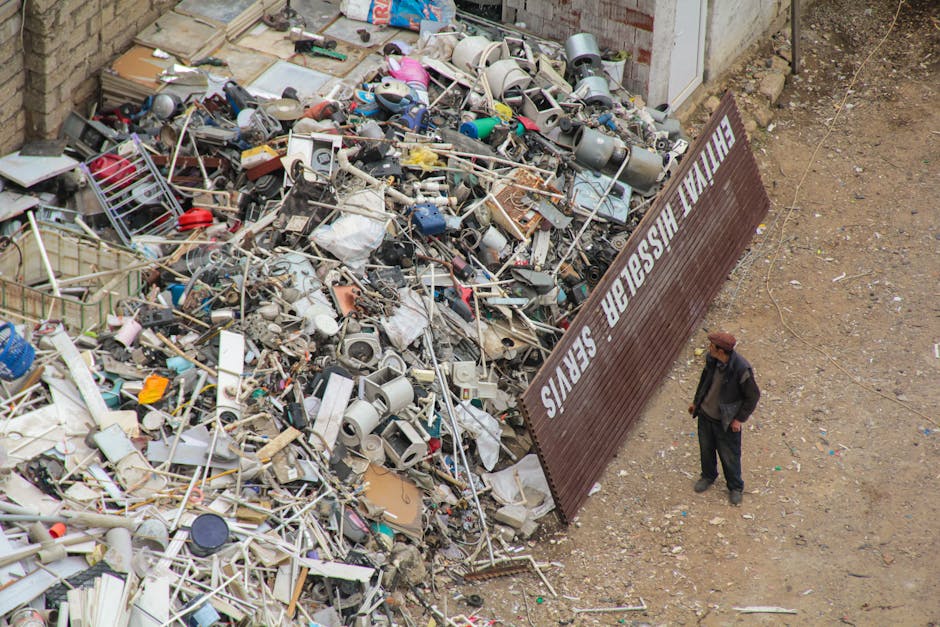
Removal waste is rarely just "rubbish". It often includes mixed materials: cardboard, old furniture, broken fittings, packaging foam, leftover paint tins, carpet offcuts, and the random odds and ends you only discover when a wardrobe is moved. In a place like Brook Green, where access can be tight and streets can get busy quickly, disposal rules are not a nice-to-have. They shape whether a move runs smoothly or turns into a frustrating stop-start process.
One of the biggest reasons these rules matter is simple: not everything can go into a skip, and not every skip or collection method suits every move. A sofa from a flat removal, for example, might be easy enough to load into a van, but old plasterboard or electrical items can need special handling. That's the sort of detail people often underestimate until the pile starts growing by the front door. To be fair, it happens all the time.
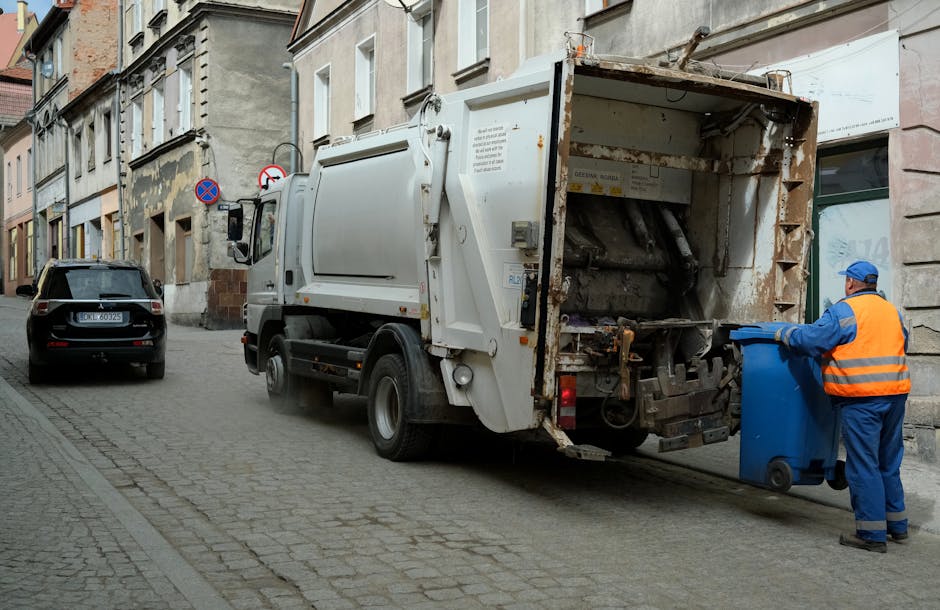
There's also the human side of it. Poorly managed removal waste can block pavements, annoy neighbours, or cause avoidable damage to common areas. If you've ever heard the clunk of a wheelie bin lid in the early morning and thought, "please not today", you'll understand the mood. Good disposal planning protects the move, the property, and your relationship with the street.
For households and businesses alike, good waste handling also supports better recycling and sustainability. A careful approach can mean more items are diverted from landfill, fewer contaminated loads, and lower risk of paying for avoidable mistakes. If that matters to you, the company's recycling and sustainability approach is worth keeping in mind while planning the move.
How Brook Green skip and disposal rules for removal waste Works
At a practical level, the process usually comes down to four questions: what is being removed, how much of it there is, whether it is reusable or recyclable, and whether it needs specialist disposal. Once those are answered, the right route becomes much clearer.
Most removal jobs in Brook Green fall into one of three broad patterns:
- Direct removal and reuse sorting - items are loaded into a van, then sorted for recycling, donation, or disposal at the appropriate point.
- Skip-based clearance - a skip is used where the volume is substantial and the waste type is suitable.
- Mixed disposal and transfer - some waste goes by van, while bulky or awkward items are separated for a different disposal route.
There is a reason professional movers tend to ask so many questions before a job. They are not being nosy for sport. They are trying to avoid the classic problem of booking a vehicle that is too small, too large, or simply the wrong shape for the actual waste. A narrow Brook Green street, a basement flat, or a third-floor walk-up can change the plan very quickly.
In real life, this often looks like: bags of decluttered household waste in one pile, reusable furniture in another, and "not sure what this is" items in a third. That third pile is the one that causes trouble. If you are unsure, separate it early and get advice before loading. It saves time and, frankly, avoids the awkward moment when a driver looks at a rusty old appliance and gives you that half-smile that says, "this one's not coming with us".
Key Benefits and Practical Advantages
Getting disposal rules right offers more than compliance. It creates a smoother moving day and reduces the odds of extra costs or last-minute delays. That's the real win.
- Cleaner property handover - ideal if you need to leave a flat or house in presentable condition.
- Fewer delays - waste is handled in the right order, so the move doesn't stall.
- Better sorting - recyclable material is easier to recover when it is separated properly.
- Lower stress - you are not trying to make decisions with boxes stacked to the ceiling.
- Less wasted vehicle space - important if you are booking a man with van or a larger removal truck hire solution.
There's another advantage people sometimes miss: a clear waste plan can help protect fragile or valuable items. If you know what is waste and what is keep, there is less chance of the wrong thing ending up in the wrong pile. It sounds obvious. It is obvious. But move day has a funny way of making obvious things disappear for half an hour.
For businesses, particularly those using office removals or commercial moves, proper disposal planning can also reduce disruption. Old office chairs, packaging, paperwork, and IT-related waste all need a sensible route. A tidy clearance keeps the handover sharper and the post-move chaos smaller.
Who This Is For and When It Makes Sense
This topic is relevant to a lot more people than you might think. You do not need a full-scale refurbishment to benefit from understanding skip and disposal rules. In fact, the smaller the job, the easier it is to make assumptions and get caught out.
This is especially useful if you are:
- moving out of a house or flat and need to leave waste behind appropriately managed;
- clearing furniture before a move;
- sorting end-of-tenancy rubbish in a busy building;
- disposing of packaging after a bulky delivery;
- closing or relocating an office;
- dealing with a same-week move where there is no time for trial and error.
Students moving between lets, for example, often have a mix of boxes, cheap furniture, broken household bits, and food packaging. A service like student removals can be far easier than trying to mash everything into car boots and recycling bags over a rainy weekend.
Families tend to need a different approach. If you are moving a whole household, waste often builds up during packing rather than at the end. Old toys, chipped kitchenware, worn-out storage furniture, and damaged soft furnishings can accumulate fast. In that situation, home moves or house removals are usually more efficient when waste planning starts early.
Step-by-Step Guidance
Here is the most practical way to handle removal waste in Brook Green without overcomplicating things.
- Walk the property room by room. Don't rely on memory. Open cupboards, look behind doors, check the loft if there is one, and inspect the awkward little corners people forget.
- Separate reuse, recycle, and dispose. Put good furniture, decent household items, cardboard, and mixed waste into different groups. A simple visual split is often enough.
- Identify restricted items early. Batteries, paint, solvents, some electrical goods, and other awkward materials may need special handling. Don't wait until loading day.
- Measure volume roughly. You do not need lab-grade precision. Just work out whether it is a few bags, a van-load, or something closer to a full clearance.
- Check access. Think about stairs, lift size, doorway width, parking, and whether a larger vehicle can stop nearby. Brook Green access can be straightforward one day and annoyingly tight the next.
- Choose the disposal method that fits the waste. For many jobs, a removal van is enough. For larger or heavier jobs, a moving truck or full-service removal setup may be more sensible.
- Pack waste securely. Use sturdy bags, closed boxes, and safe lifting practices. Sharp edges and loose screws have a way of finding ankles.
- Confirm what happens after collection. Ask whether items are reused, recycled, or taken to the appropriate disposal facility. A little clarity goes a long way.
If the schedule is tight, a same day removals option may be useful, but only if the waste has already been sorted enough to avoid delays. Same-day is helpful. Same-day with chaos is not.
Expert Tips for Better Results
In our experience, the best waste plans are simple, not clever. People sometimes try to engineer a perfect system and end up creating more admin than the waste itself. A few grounded habits usually do more good than a complicated spreadsheet.
Tip 1: Start with the largest awkward item. If a wardrobe, sofa, bed frame, or office desk needs to go, plan around that first. Once the large item is gone, the smaller waste suddenly feels manageable.
Tip 2: Keep one "unsure" box. Put odd items you cannot classify straight away into one box or bag. That stops them spreading around the property like confetti after a minor disaster.
Tip 3: Protect communal areas. If you are in a flat block, think about stairwells, lift lobbies, and shared entrances. This matters especially in flat removals, where one careless scrape can become a very awkward conversation.
Tip 4: Use the disposal route that matches the item. Not every item should be treated as general waste. Furniture, for instance, may be better handled through furniture pick up or furniture removals if it is bulky but reusable or recyclable.
Tip 5: Don't leave the waste decision until the end. By 4 p.m. on moving day, everyone is tired and the tea has gone cold. That is exactly when mistakes happen. Decide earlier, and the whole thing feels calmer.
Tip 6: Ask for safety and insurance reassurance. If the disposal involves heavy lifting, narrow staircases, or awkward household fixtures, it is sensible to check the team's handling standards. A clear insurance and safety approach matters more than people think.
Common Mistakes to Avoid
Most clearance problems come from a small list of avoidable errors. None of them are dramatic on their own, but together they can turn a straightforward move into a long afternoon of muttering and re-bagging.
- Mixing all waste together. This makes sorting slower and can increase the chance of contaminated loads.
- Assuming everything fits in one vehicle. It usually doesn't. Especially not when old drawers are involved.
- Ignoring restricted materials. Some items need specialist disposal. Do not guess.
- Not checking building rules. Some blocks have strict access or loading expectations.
- Forgetting about recycling opportunities. Good material should not be thrown away just because it is quicker.
- Leaving bagging until the last minute. Loose waste is harder to move and more likely to tear.
- Overlooking paperwork or tenancy requirements. End-of-tenancy cleanouts sometimes need specific waste handling proof or at least a tidy handover.
One less obvious mistake is trying to dispose of office or household waste without thinking about storage. If you need time between clear-out and delivery, short-term storage can help keep the job orderly rather than cramming everything into a corner and hoping for the best.
Tools, Resources and Recommendations
You do not need a van full of special kit to manage most removal waste properly. A few simple tools make a big difference:
- Heavy-duty rubble sacks for mixed lightweight waste and packaging;
- Strong cardboard boxes for tidy segregation of smaller items;
- Marker pens and labels so nobody confuses keep, recycle, and dispose piles;
- Gloves for handling sharp or dusty materials;
- Furniture blankets and straps to keep bulky items safe in transit;
- Trolley or sack truck if there are staircases, long hallways, or heavier objects.
For people who want a more hands-off approach, it often makes sense to pair planning with a broader moving service. A well-organised removal services booking can cover loading, transport, and disposal coordination in one go, which is easier than juggling multiple suppliers. For larger jobs, you may also want to look at removals or removal companies rather than treating waste as a separate last-minute task.
And yes, the humble checklist matters. A pen and paper can be embarrassingly effective. Sometimes the oldest tool is the one that gets the job done before lunch.
Law, Compliance, Standards, or Best Practice
Waste disposal in the UK is not something to treat casually. The exact obligations depend on the waste type, where it is going, and who is handling it, but the general principle is straightforward: waste should be stored, moved, and disposed of responsibly, and the person arranging it should take care not to pass the problem on carelessly.
For practical purposes, that means a few good habits:
- do not mix hazardous or specialist items into general waste without checking;
- make sure the collection method suits the waste stream;
- use responsible carriers and operators;
- keep access routes safe and clear;
- avoid blocking pavements or shared entrances unnecessarily;
- respect building, tenancy, and landlord rules where they apply.
It also means being realistic. If you are dealing with old appliances, office IT waste, paint, or bulky household fixtures, best practice is to ask how the items will be handled before they leave the property. Good operators should be able to explain their process in plain English, not hide behind jargon.
For commercial clients, especially, this matters because the end of a move is often when waste pressure spikes. Clear planning is part of responsible business practice, not an optional extra. If you are comparing options, it may help to review the company's terms and conditions as well as their safety information before booking.
Options, Methods, or Comparison Table
Different disposal methods suit different removal jobs. Here's a straightforward comparison to help you choose the right route.
| Method | Best for | Strengths | Limitations |
|---|---|---|---|
| Van-based removal | Small to medium household waste, mixed boxes, a few bulky items | Flexible, quick, good for tighter Brook Green access | Limited volume compared with larger vehicles |
| Truck-based removal | Larger clearances, office waste, heavier furniture loads | Higher capacity, efficient for bigger jobs | Can be harder to park or position in tight streets |
| Furniture collection | Usable or bulky furniture needing a dedicated solution | Helpful for large individual items, cleaner sorting | Not ideal for mixed general rubbish |
| Storage first, disposal later | Moves with uncertain timing or staged decluttering | Reduces pressure, gives time to decide properly | Adds an extra step and may not suit urgent jobs |
If you are trying to decide between a lighter service and a bigger operation, the access conditions often make the difference. A small street, a flat on an upper floor, or a same-day deadline can nudge the choice one way or the other. There is no heroic prize for choosing the wrong size vehicle and then wrestling with it for two hours.
Case Study or Real-World Example
Picture a fairly normal Brook Green moving day. A couple is leaving a two-bedroom flat after several years, and by the final week they have accumulated old kitchen chairs, broken shelving, a pile of cardboard, a tired mattress topper, and a box of mixed odds and ends from the airing cupboard. Nothing dramatic. Just the sort of accumulated clutter that quietly multiplies while life gets busy.
At first, they think they can deal with it all in one go. Then they check the stairwell, realise the lift is too small for the biggest item, and notice the side road outside has limited stopping space. That is the moment the plan shifts. Instead of trying to brute-force everything on moving day, they separate the items, label the keep/recycle/dispose piles, and book a suitable removal approach ahead of time.
The result is simpler than expected. Reusable furniture is handled separately, general waste is bagged and loaded safely, and the bulky items are moved without blocking the hallway. It is not glamorous, but it works. And when they hand back the keys, the flat looks calm rather than half-abandoned. That alone can save a great deal of stress.
The same logic applies to offices. A small Brook Green workspace clearing out desks, monitor boxes, and file storage can quickly become chaotic unless the waste is mapped out first. In those cases, office relocation services can provide the structure needed to keep both the move and the disposal side under control.
Practical Checklist
Use this before the waste leaves the property.
- Have I separated keep, donate, recycle, and dispose?
- Do I know which items need specialist handling?
- Have I checked the access route, stairs, lift, and parking?
- Are all bags and boxes sealed securely?
- Have I protected floors, corners, and shared areas?
- Do I know whether I need a van, truck, or furniture collection?
- Have I spoken to the mover about safety and insurance?
- Have I set aside the items that should not be mixed with general waste?
- Have I planned for storage if the timing is not final yet?
- Do I know who to contact if the plan changes on the day?
If you are still in the planning stage, it can help to compare service scope and pricing early. A clear quote process saves back-and-forth later and makes the move feel less like a puzzle. You can review pricing and quotes before making a decision.
Conclusion
Brook Green skip and disposal rules for removal waste are really about making a move safer, cleaner, and more predictable. Once you separate the waste properly, check access, and choose the right disposal method, the whole job becomes a lot less stressful. That matters whether you are clearing one sofa or a whole property.
The best approach is usually the simplest one: sort early, lift carefully, keep restricted items apart, and use a disposal method that suits the actual waste rather than the idea of it. Small decisions made before moving day tend to pay off in a big way when the boxes are stacked and the kettle is somewhere in the wrong room.
If you want a smoother, less chaotic removal day, plan the waste side properly from the start and let the rest of the job breathe a little. That tiny bit of order can change the whole experience.
Get a free quote today and see how much you can save.
Frequently Asked Questions
What counts as removal waste in Brook Green?
Removal waste usually includes items you do not intend to take to the new property: cardboard, damaged household items, broken furniture, old fittings, packaging, and general clutter that builds up during a move.
Can I put all my moving waste in one skip?
Not always. Mixed waste can be accepted in some cases, but restricted items, recyclable materials, and bulky furniture may need to be separated. The safest approach is to sort first and confirm the waste type before booking.
Is a van better than a skip for removal waste?
It depends on volume, access, and waste type. A van is often better for quicker clearance in tighter streets or flats, while a skip may suit larger, slower clear-outs where the waste can be staged safely.
What should I do with old furniture during a move?
Check whether it can be reused, collected separately, or moved as part of the removal plan. Bulky furniture is often easier to handle through a dedicated furniture collection or removal service rather than treating it as loose waste.
Are electrical items allowed with general removal waste?
Not usually without checking first. Electrical items often need separate handling, especially if they are damaged, incomplete, or contain components that should not go into ordinary waste.
Do Brook Green flats need special planning for waste removal?
Yes, often they do. Stairs, lifts, shared entrances, and parking can all affect how the waste is removed. Flat jobs usually run more smoothly when the access plan is checked in advance.
How do I avoid disposal delays on moving day?
Sort waste early, label piles clearly, and keep restricted items separate. If possible, decide in advance whether you need a van, truck, furniture collection, or temporary storage.
What is the biggest mistake people make with removal waste?
Leaving everything to the last minute. That usually leads to mixed waste piles, poor vehicle choices, and rushed decisions. A bit of prep the day before can save a lot of hassle.
Can office removals include waste disposal?
They often can, depending on the service and the type of items involved. Office chairs, packaging, desks, and light clearance waste may be included, but sensitive or specialist items should be discussed separately.
Do I need to worry about safety when moving waste?
Yes. Heavy lifting, sharp edges, dust, and narrow routes can all cause problems. Good gloves, clear walkways, careful stacking, and sensible lifting technique make a noticeable difference.
Is same-day removal suitable for waste clearance?
It can be, especially if the waste is already sorted and access is clear. Same-day jobs work best when the collection plan is simple and nothing has been left for guesswork.
Who should I speak to if I need help planning disposal?
Start with the removal provider and ask how they handle waste, recycling, access, and restricted items. If you need a broader moving solution, services like house removals, office removals, or man and van support can help you build a practical plan rather than improvise on the day.