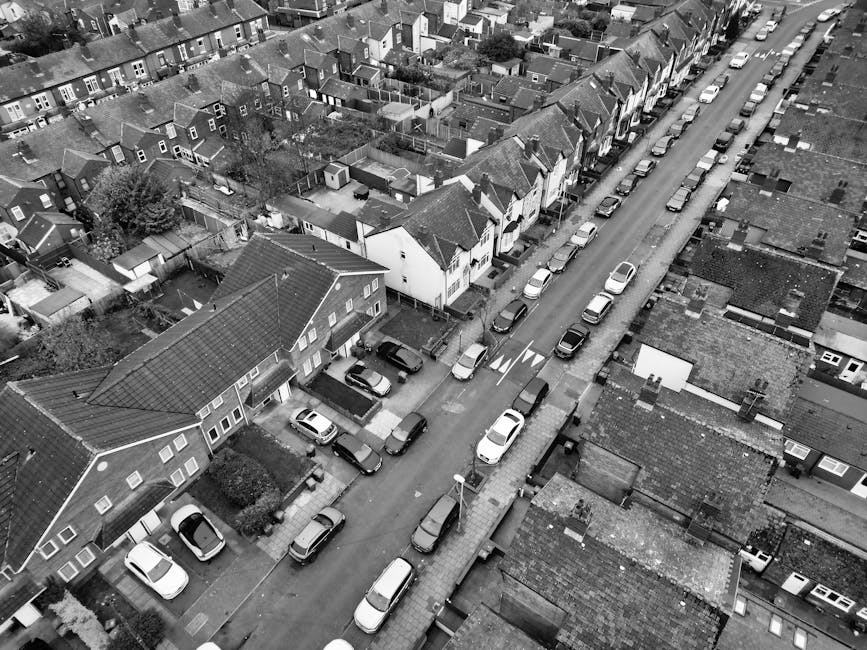
Access problems on Brook Green narrow lanes man and van solutions
Moving in Brook Green can look straightforward on a map, but the reality is often a bit less neat. Narrow lanes, tight turns, awkward parking, shared entrances, and residents who quite reasonably want their street left clear can all turn a simple job into a careful logistical puzzle. That is exactly where Access problems on Brook Green narrow lanes man and van solutions become useful: the move is planned around the street, not forced into it.
If you are preparing a flat move, a house move, or even a small business relocation nearby, the key is not just finding a van. It is finding the right approach for the access you actually have. In this guide, we will walk through how to handle restricted routes, what good planning looks like, and which service options tend to work best in real life. No fluff. Just the practical stuff that saves time, stress, and a few bruised knuckles.
Contents
- Why access problems matter in Brook Green
- How man and van solutions work in narrow lanes
- Key benefits and practical advantages
- Who this is for and when it makes sense
- Step-by-step guidance
- Expert tips for better results
- Common mistakes to avoid
- Tools, resources and recommendations
- Law, compliance, standards, and best practice
- Options and comparison table
- Case study or real-world example
- Practical checklist
- Conclusion
- Frequently asked questions
Why Access problems on Brook Green narrow lanes man and van solutions Matters
Access issues are one of those things people underestimate until moving day starts. A van can arrive on time, but if it cannot safely stop near the property, every part of the job becomes slower: loading, carrying, protecting fragile items, and keeping the move calm. In Brook Green, narrow lanes can make the difference between a smooth one-trip move and a long, stop-start process with extra lifting.
The point is not that small streets are impossible. Far from it. The point is that they demand a smarter plan. A well-run man and van service can reduce the risk of double parking, blocked access, unhappy neighbours, and rushed handling of furniture. Truth be told, the street itself becomes part of the moving brief.
There is also a customer-side benefit that people often miss. When access is difficult, good planning can cut the pressure on the day. You know where the vehicle will wait, how far items will be carried, whether parking needs to be arranged, and whether a larger removal truck would be overkill. That kind of certainty matters more than people expect, especially if you are already juggling keys, children, work calls, or a lift that keeps closing on you at the worst possible moment.
For many local moves, the best fit is not a giant lorry but a carefully sized vehicle with flexible loading, a clear route in and out, and movers who are comfortable working in tight spaces. If you want a broader overview of moving support, the main man and van service and the wider removal services pages are useful starting points.
How Access problems on Brook Green narrow lanes man and van solutions Works
Good access planning begins before the van is booked. A moving team will usually want to know the street type, parking situation, building entry points, and the kind of items being moved. That lets them decide whether the job can be handled from the kerb, whether a second person is needed, or whether the route needs a bit of walking. Sometimes the answer is simple. Sometimes it is, well, a bit fiddly.
In practice, the solution usually combines four things:
- Vehicle choice - a smaller van or medium-sized removal van may be easier to manoeuvre in narrow lanes than a larger truck.
- Arrival timing - early morning, school-run avoidance, or quieter periods may help reduce congestion and waiting time.
- Carry planning - where the vehicle cannot get close, the team plans a safe walking route from property to van.
- Loading strategy - heavy or bulky items are loaded first, with fragile items secured separately so the whole job does not turn into a puzzle mid-move.
A good local mover will also think about the small things: whether the lane has parked cars on both sides, whether there is a corner that makes reversing awkward, whether there is a school nearby, and whether a short delay would avoid everyone standing around in that awkward half-hour where nobody is quite sure who is in the way of whom.
For moves involving flats, upper floors, or shared access, it may also help to combine the booking with flat removals or, for bigger domestic jobs, house removals. If the move is mainly single items or a few bulky pieces, furniture removals can be the more sensible fit.
Key Benefits and Practical Advantages
The best access-aware moving plan does more than get boxes from one address to another. It reduces friction across the whole move. That sounds a bit abstract, but you feel it on the day: fewer interruptions, fewer "can the van come closer?" moments, and less chance of a damaged doorway or scuffed wall.
Here are the main benefits people usually notice:
- Better manoeuvrability - a suitably sized van is easier to position in tight Brook Green lanes.
- Lower stress - clear access planning removes a lot of uncertainty.
- Safer handling - movers can focus on carrying properly rather than rushing because traffic is building behind them.
- More realistic timings - if the carrier knows there is a 30-metre walk from van to front door, they can plan it properly.
- Better protection for your belongings - careful loading and unloading matters more when space is limited.
There is also a money angle. Access problems often create hidden cost pressure when they are not discussed early. A van that has to keep circling for parking, or a team that has to make more trips because the load was underestimated, can make a low quote feel less attractive once the job is underway. That is why clear access details are worth their weight in tea bags.
Expert summary: in narrow-lane moves, the "best" vehicle is not the biggest one. It is the one that can get closest, load safely, and finish the job without turning the street into a bottleneck.
Who This Is For and When It Makes Sense
This type of solution is ideal for people who are moving within or around Brook Green and know the access is not straightforward. It is especially useful if your building sits on a narrow residential road, your parking is permit-controlled, or there is only brief stopping space outside the property.
It makes sense for:
- people moving from or to flats with tight stair access
- families relocating from terraced homes on smaller streets
- students moving with mixed luggage, boxes, and a few awkward items
- small offices shifting stock, desks, or archive boxes
- anyone who wants a sensible alternative to hiring a larger truck when access is already limited
It is also worth considering if you have one or two items that are physically bulky, such as a piano or a large wardrobe, but not enough belongings to justify a full-scale truck. In those cases, a targeted service can be a better fit than trying to squeeze everything into a vehicle that is simply too much for the street. For specialist heavy items, piano removals may be the safer route.
If you are only moving a couple of items, or need help with a same-day collection, you may also want to look at same-day removals or furniture pick-up. Those can be surprisingly handy when access is awkward but the job itself is small.
Step-by-Step Guidance
Here is a practical way to approach a Brook Green move when access is tight. It is simple enough, but a little discipline upfront makes a huge difference later.
- Measure the access points. Check the width of gates, hallways, stair turns, and any shared entrance areas. You do not need engineering-level precision, just enough to know what is likely to fit.
- Describe the street honestly. Mention parked cars, one-way sections, corners, and whether the van can stop outside for more than a minute or two.
- List the awkward items. Sofas, mattresses, wardrobes, washing machines, and anything fragile should be flagged early.
- Decide what needs disassembly. A bed frame or table that comes apart can save a lot of pain on a narrow stairwell.
- Choose the right vehicle. In some cases, a smaller van is better than a bigger one. Simple, really.
- Plan the loading order. Put the heavy and stable pieces in first, then stack lighter items around them.
- Build in a small time buffer. Access issues rarely go perfectly to plan. A little slack in the schedule keeps the day calmer.
- Confirm the final route. If there is a better stopping point or access door, tell the mover before arrival rather than after the van has already parked somewhere awkward.
If the move involves packing help, you might also benefit from packing and boxes or packing and unpacking services. In narrow access situations, neat packing is not just tidy; it makes carrying safer and faster.
Expert Tips for Better Results
Over time, a few patterns show up again and again. The moves that go well are usually the ones where someone thought about the practical details before moving day. Nothing glamorous, just sensible preparation.
- Keep the route clear inside the property. Even a narrow hallway can become a bottleneck if shoes, bins, or boxes are left in the way.
- Use fewer, stronger boxes. Overpacked boxes are awkward to carry through tight spaces and more likely to fail at exactly the wrong moment.
- Protect the edges. Door frames, corners, and stair rails are the usual trouble spots. A small bit of protection saves headaches.
- Label by priority, not just room. In a limited-access move, the first things off the van matter, especially if you need bedding, chargers, or kettle access quickly.
- Be realistic about parking. If legal stopping space is limited, say so. Nobody benefits from optimistic guesswork.
A small but useful trick: keep a "first hour" box aside with essentials for the new place. That way, if access slows everything down, you still have tea, toiletries, and the bits that keep life ticking. Not fancy. Just comforting.
For business moves, office removals and commercial moves can be adapted around narrow access too, especially if the move needs to happen outside normal opening hours or around deliveries.
Common Mistakes to Avoid
The biggest access mistake is treating the street as an afterthought. It is not. It is part of the move. And if the street wins, the schedule loses.
- Booking the wrong vehicle size. A large van may look efficient, but if it cannot comfortably access the property, efficiency disappears fast.
- Underestimating the carry distance. Ten extra metres may not sound like much, until you are carrying a sofa in drizzle.
- Forgetting about timing constraints. Busy school runs, rush hour, or delivery windows can make a narrow lane feel even tighter.
- Not mentioning obstacles. Low arches, steep ramps, steps, and basement entries are easy to forget and very hard to ignore once the van arrives.
- Packing too late. If the movers are waiting while the last boxes are still being taped, the access problem becomes a time problem too.
There is one more mistake that sounds minor but bites people more than expected: assuming the mover will "figure it out" on arrival. Experienced teams do adapt, sure, but they are always better off with a proper briefing. Why make them guess?
Tools, Resources and Recommendations
You do not need a truckload of specialist equipment to manage a tight-access move, but a few practical tools help. Some are for you, some are for the movers, and some are just common sense dressed as kit.
- Measuring tape - useful for checking furniture dimensions and stair turns.
- Phone camera - a quick photo of the lane, entrance, and parking layout can explain more than a long message.
- Strong boxes and tape - flimsy boxes are a nuisance in narrow spaces.
- Blankets and protective wrap - important for furniture, walls, and peace of mind.
- Basic inventory list - helps match the load to the vehicle.
If your belongings need temporary holding because the access situation is awkward or the keys are delayed, storage can be useful. It gives you breathing space, which is underrated during a move. Honestly, sometimes that half-day buffer is the difference between chaos and control.
For people comparing vehicle types, removal van, man with van, and moving truck options all serve different access needs. The smaller and more flexible the street, the more likely a compact setup will help.
Law, Compliance, Standards, and Best Practice
With access-limited moves, the legal and compliance side is mostly about acting carefully and responsibly. You should not block roads, obstruct pavements, or create avoidable hazards. In London, that matters because narrow residential streets can already be under pressure from parking, deliveries, and passing traffic.
Best practice usually includes:
- checking whether stopping or loading arrangements are reasonable for the street
- avoiding unsafe lifting in cramped spaces
- protecting property and common areas from damage
- using appropriate equipment for heavy or awkward items
- keeping communication clear if access changes on the day
It is also sensible to work with a provider that takes safety seriously. A proper health and safety policy and sensible insurance and safety approach are reassuring signs, especially where stairs, tight corners, or short carrying distances are involved.
On the customer side, being clear, honest, and prepared is part of the deal too. If access is awkward, say so early. If the van might need to wait, mention it. If the lane is so tight that a smaller vehicle is a better call, be open to that. Fairness helps everyone.
For terms, booking conditions, and payment handling, it can also be worth reviewing the provider's terms and conditions and payment and security information before confirming the job.
Options, Methods, or Comparison Table
Not every access problem needs the same solution. The right approach depends on the load, the lane, and how close the vehicle can reasonably get. Here is a simple comparison.
| Option | Best for | Strengths | Watch-outs |
|---|---|---|---|
| Compact man and van | Very narrow lanes, smaller loads, local moves | Easier to park and manoeuvre; flexible loading | May need more trips for larger volumes |
| Medium removal van | Moderate access issues with furniture and boxes | Good balance of space and manoeuvrability | Can still struggle on the tightest streets |
| Full removal truck | Big house moves where access is less restricted | Moves larger loads in fewer journeys | Often too large for narrow lanes or limited stopping space |
| Split move with storage | Delayed keys, awkward timing, staged moves | Reduces pressure if access or timing is uncertain | Needs extra coordination |
If you are unsure where your move fits, compare the general removals page with the more specific man with a van or removal truck hire options. The right answer often becomes obvious once you step back and look at the access, not just the item count.
Case Study or Real-World Example
Imagine a small flat move in Brook Green on a weekday morning. The property sits on a narrow lane with parked cars on both sides, and the front entrance is down a short set of steps. The client has a sofa, a bed, three wardrobes, several boxes, and a bike. At first glance, it sounds manageable, but the lane leaves little room for a large vehicle to wait.
In that kind of situation, the mover would usually do a few things differently. They might choose a smaller van, arrive at a quieter time, and plan to load the largest furniture first. If the wardrobe doors can be removed in advance, even better. If the client can keep the corridor clear and have parking details ready, the whole thing feels far less pressured.
The actual job may still take a bit longer than a wide-open suburban move. That is normal. The win is that it goes steadily, without last-minute improvisation. Nobody is dragging a sofa around a corner while muttering under their breath. Nobody wants that. Not even once.
For similar moves, home moves can be a sensible fit, while a smaller residential load may be better handled through removal van support. If the move is for a student flat with a modest load and a tight street, student removals can be a neat solution.
Practical Checklist
Use this checklist before moving day. It is short, but it covers the things that most often trip people up.
- Confirm the exact pickup and drop-off addresses
- Note any narrow lanes, one-way access, or parking restrictions
- Measure large furniture and awkward items
- Tell the mover about stairs, lifts, steps, or shared entrances
- Decide whether items need dismantling before collection
- Keep boxes sealed, labelled, and not overloaded
- Prepare a clear walking route inside the property
- Set aside essentials for the first night
- Check whether storage might be useful if timings are uncertain
- Review the provider's safety, insurance, and terms information
If you want help staying organised, a combined booking with packing and unpacking services can reduce the pressure a lot. Sometimes the best moving decision is the one that lets you breathe.
Get a free quote today and see how much you can save.
Conclusion
Access problems in Brook Green's narrow lanes are not a disaster; they are just a planning issue. Once the route, vehicle, timing, and load are matched properly, the move becomes much easier to manage. That is the real advantage of a thoughtful man and van approach. It adapts to the street instead of fighting it.
If you take one thing from this guide, let it be this: tell the mover exactly what the access is like. The more honest the briefing, the smoother the day usually goes. Simple, but true. And when the job is done well, you feel it immediately - less strain, less mess, and a lot less standing around wondering what happens next.
Brook Green moves can be tight, yes. But with the right plan, they do not have to be stressful. A good move leaves you with your furniture intact, your day mostly intact, and enough energy left to make that first cup of tea in the new place.
Frequently Asked Questions
What makes Brook Green narrow lanes difficult for moving vans?
Narrow lanes can restrict stopping space, turning room, and loading access. If cars are parked on both sides or there are tight corners, a larger van may struggle to get close enough for easy unloading.
Is a man and van service better than a removal truck for tight access?
Often, yes. A smaller or more flexible vehicle is usually easier to position in narrow streets. A removal truck can still work for some jobs, but only if the access is suitable.
How do I know which vehicle size I need?
Think about both the amount of stuff and the access. A smaller load in a very tight lane may still need a compact van, while a larger load on a more open road may justify a bigger vehicle. The street matters as much as the furniture.
Should I measure my furniture before booking?
Yes, especially if you have sofas, wardrobes, beds, or appliances. A few quick measurements can help avoid surprises on the day and make it easier to choose the right vehicle and loading plan.
Can a mover help if the van cannot park outside my property?
Yes. Good movers can work with a short carry distance from a nearby stopping point. The important thing is to mention the likely parking situation early so the time estimate is realistic.
What if my building has stairs and no lift?
That is very common, and it can still be managed with careful planning. Stairs simply need to be factored into the timings and the carrying method, especially for bulky items.
Is storage useful when access is difficult?
It can be. If keys are delayed, move-in times are staggered, or access is too awkward to complete everything at once, temporary storage gives you flexibility and reduces pressure.
How far in advance should I mention access problems?
As early as possible. Ideally, mention them when you request the quote. That gives the mover a chance to plan properly instead of improvising on the day.
What items are hardest to move in narrow lanes?
Large sofas, mattresses, wardrobes, washing machines, and pianos tend to be the trickiest. They are heavy, awkward to turn, and harder to carry if the route is tight.
Can I save money by choosing a smaller van?
Sometimes, yes, but only if the van is still large enough for the load. The cheapest option is not always the best if it creates extra trips or slows the move down.
Do I need to prepare anything before the movers arrive?
Yes. Clear hallways, label boxes, separate essentials, and share any access details you know about. A little prep makes a very noticeable difference once the van turns up.
What should I ask a mover before booking for a narrow-lane move?
Ask about vehicle size, parking strategy, timing, handling of stairs, and whether they have experience with restricted access. Those questions quickly show whether the service fits your move.
Where can I read more about the company and its policies?
You can review the about us page, along with the insurance and safety information and the complaints procedure if you want a clearer picture of how the service is run.